Easter
129 recipes from 16 European countries for Lent, Holy Week and Easter, from Good Friday fish to dyed eggs and Easter breads
Instant access and a PDF to keep. One-time purchase.129 recipes from 16 European countries for Lent, Holy Week and Easter, from Good Friday fish to dyed eggs and Easter breads
Instant access and a PDF to keep. One-time purchase.
US cups, ounces and °F, and grams, milliliters and °C.
Open to everyone, in full.
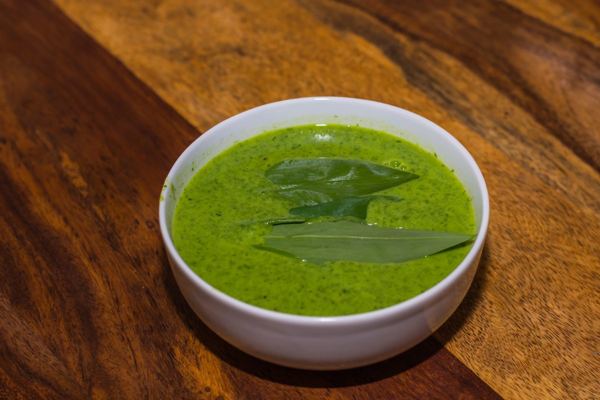
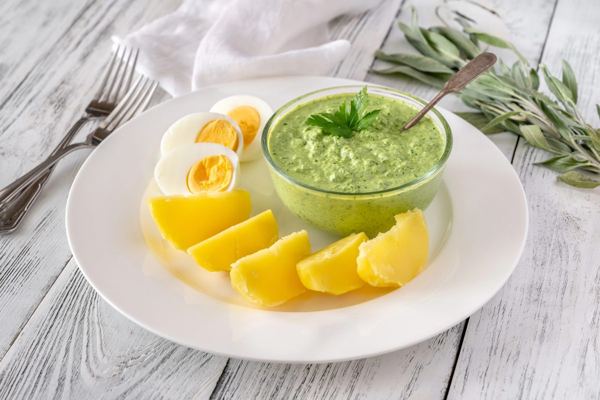
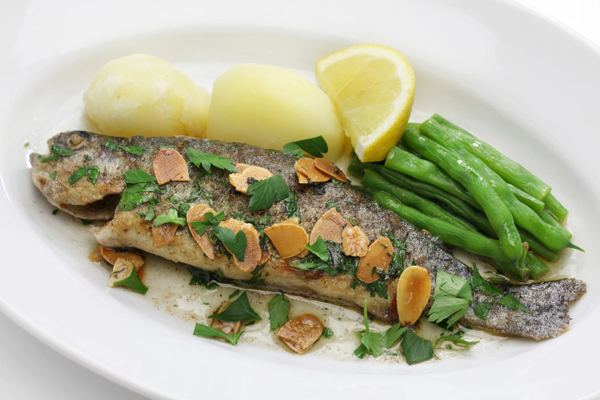
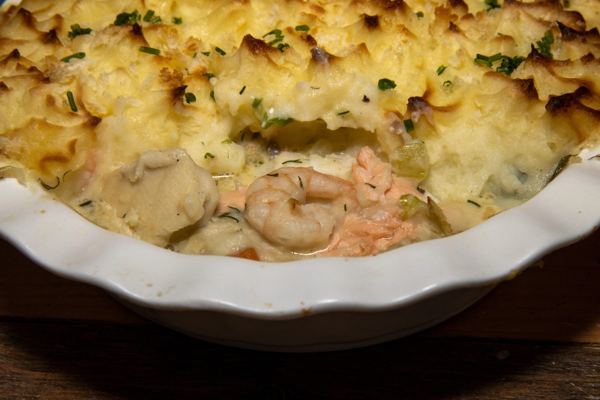
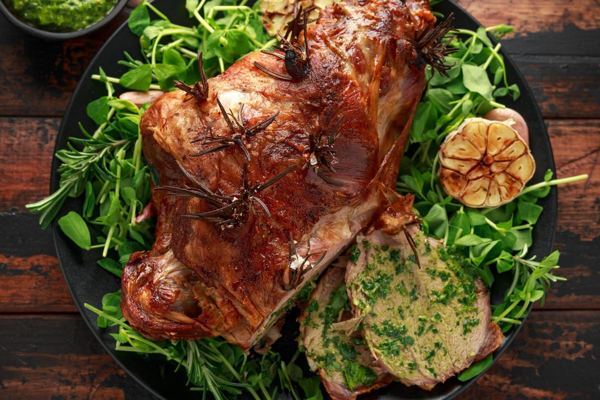
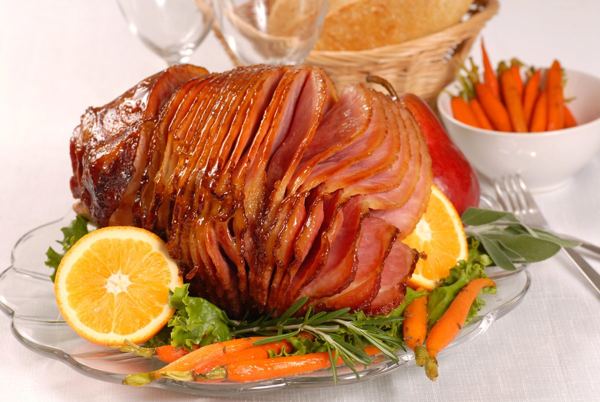
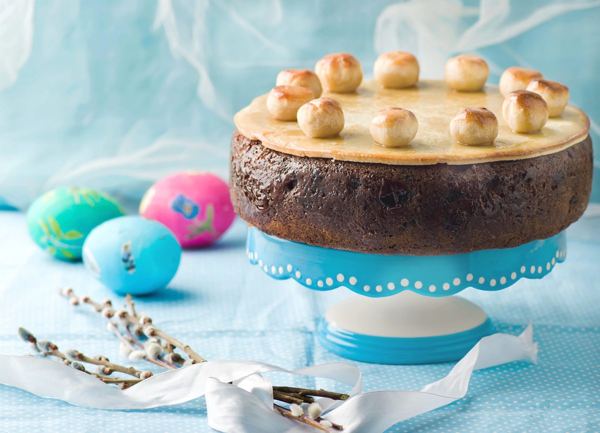
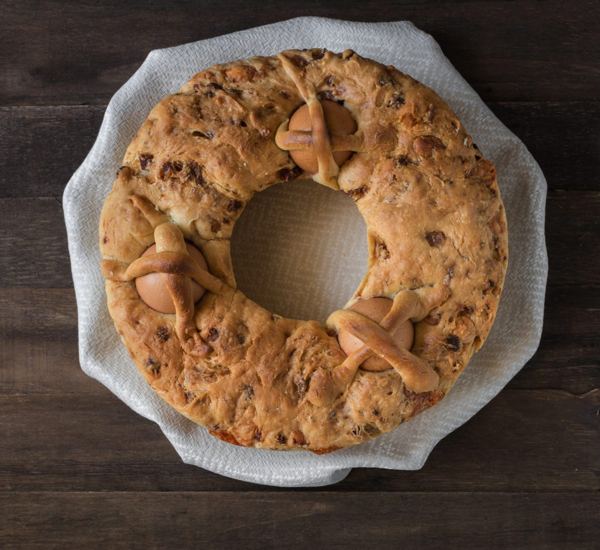
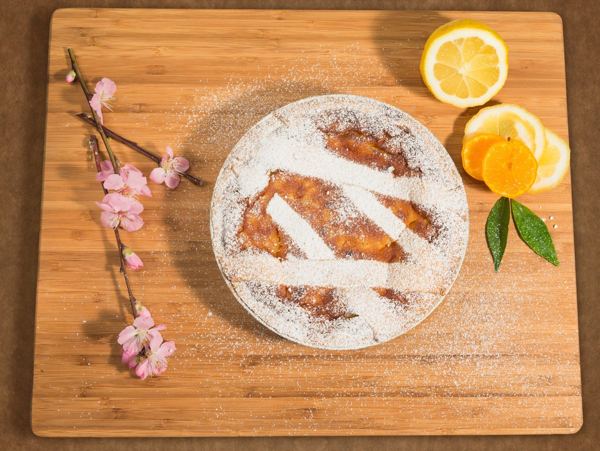
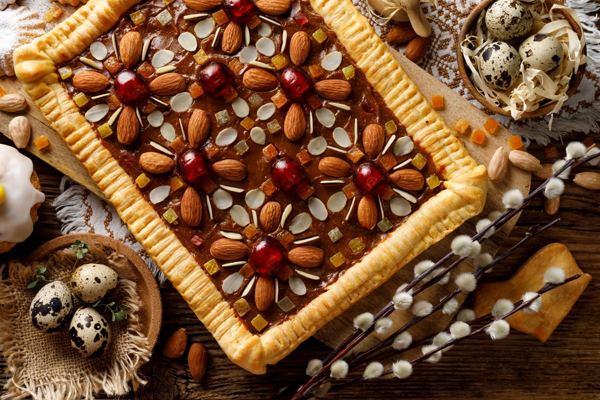
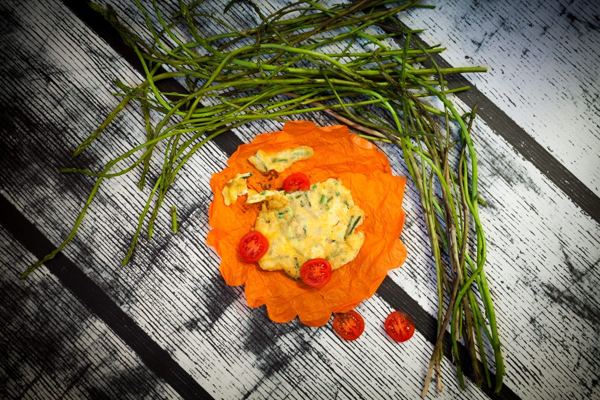
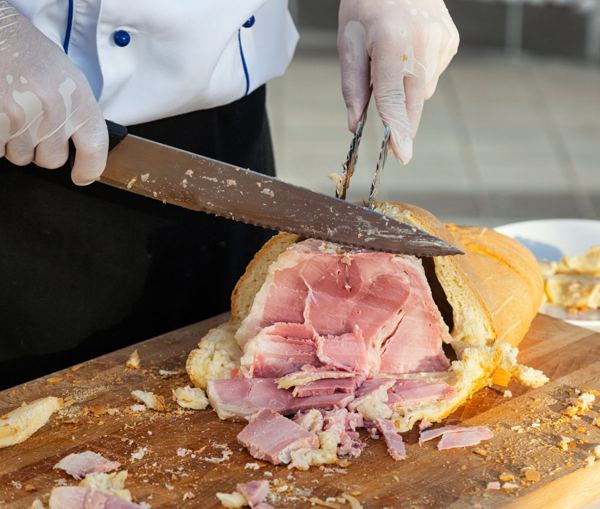
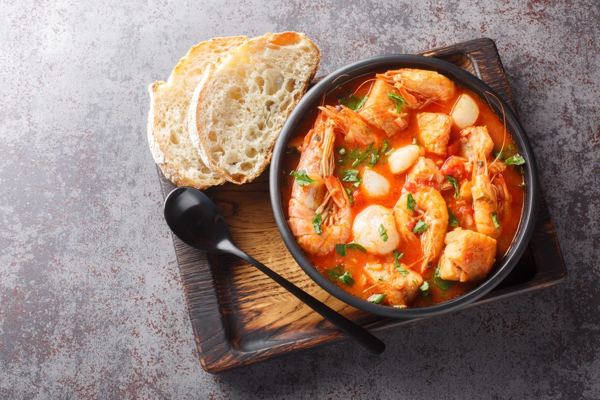
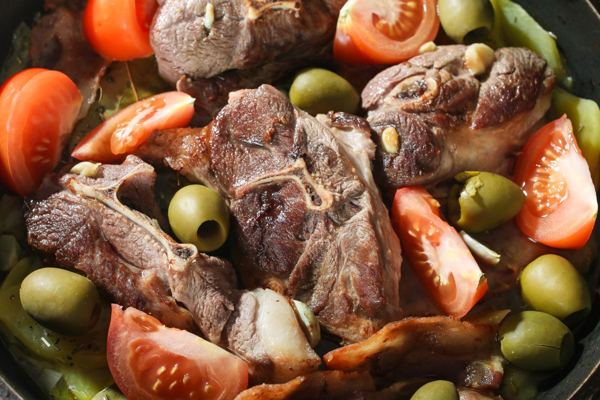
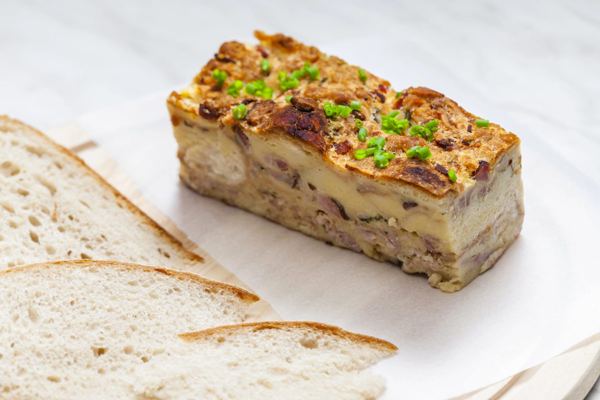
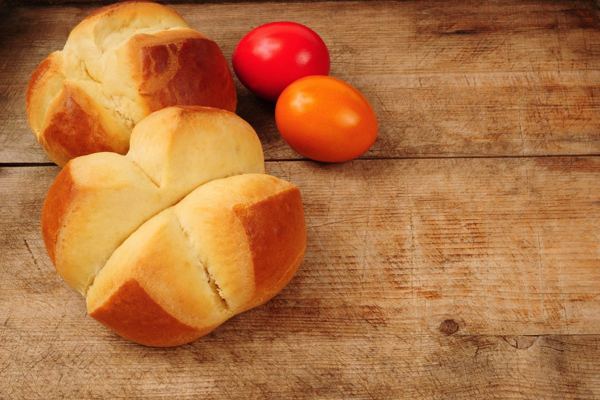
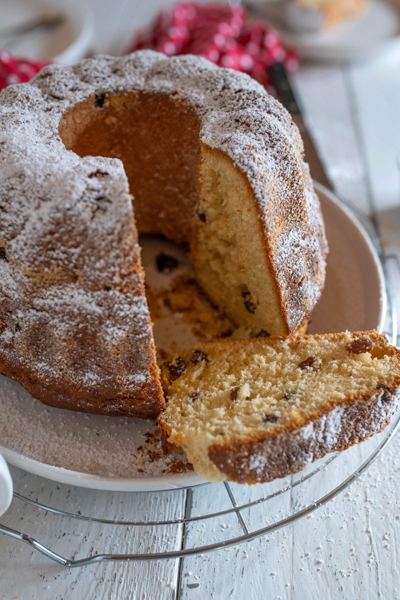
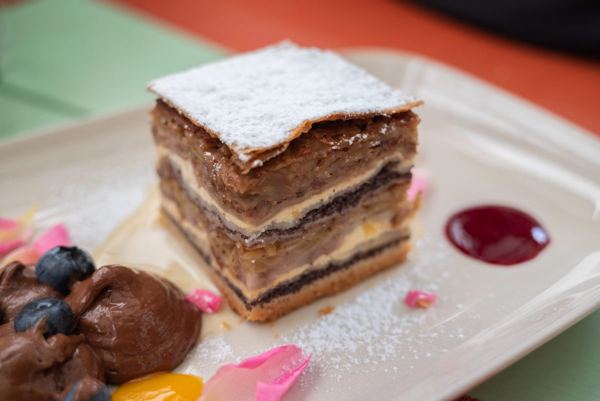
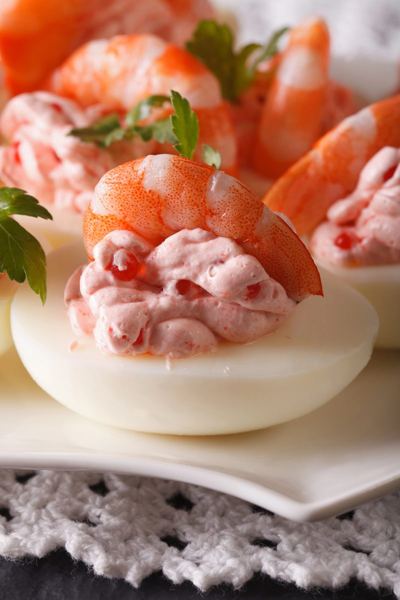
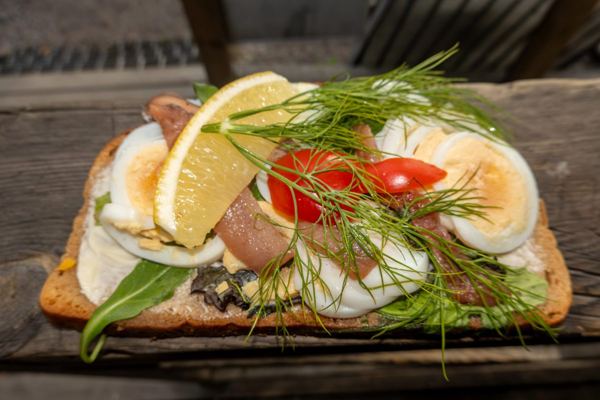
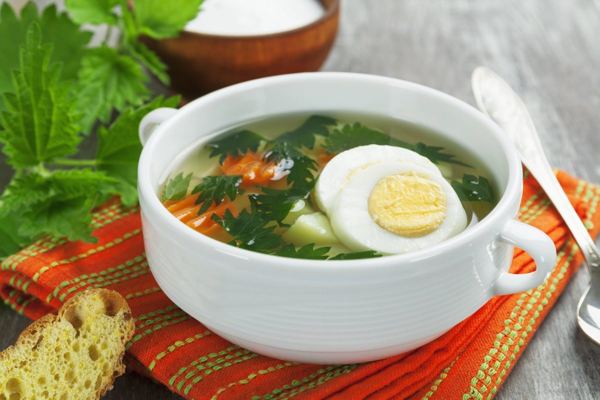
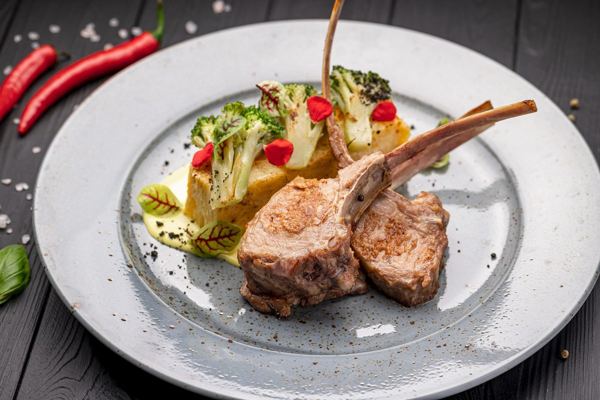
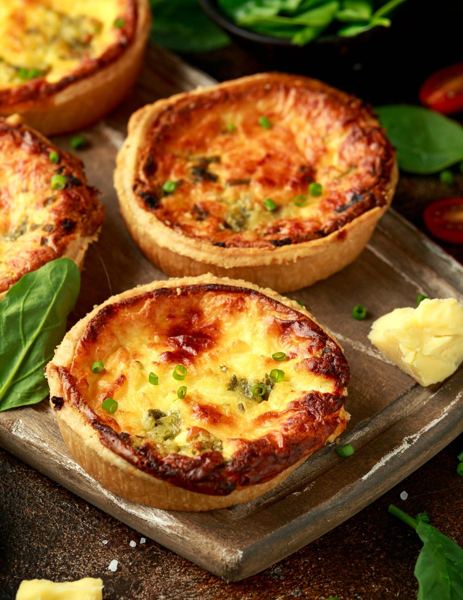
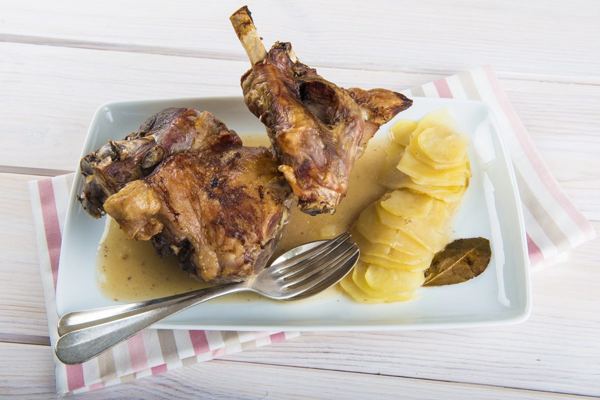
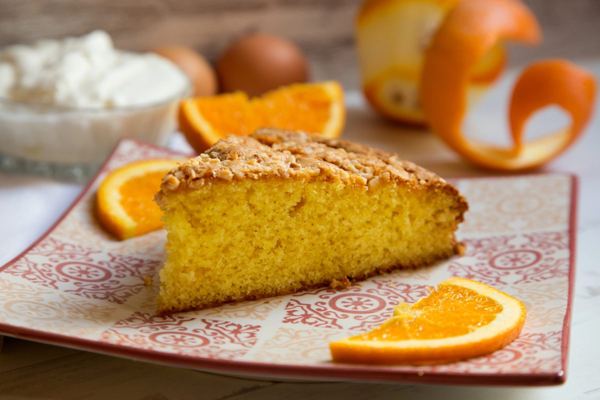
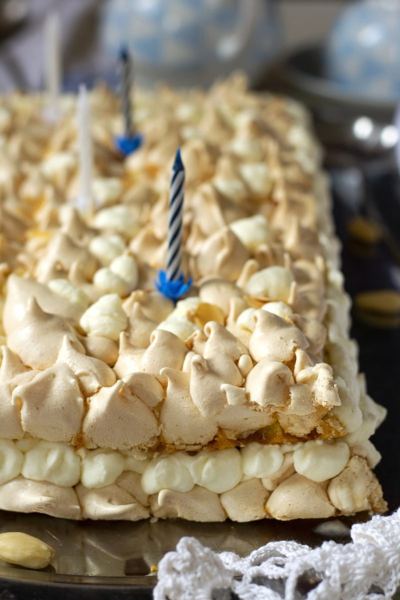
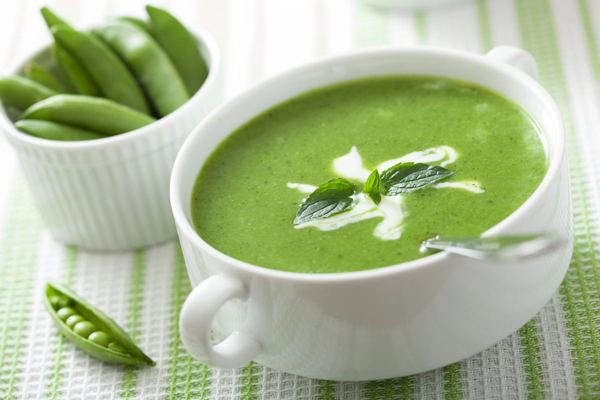
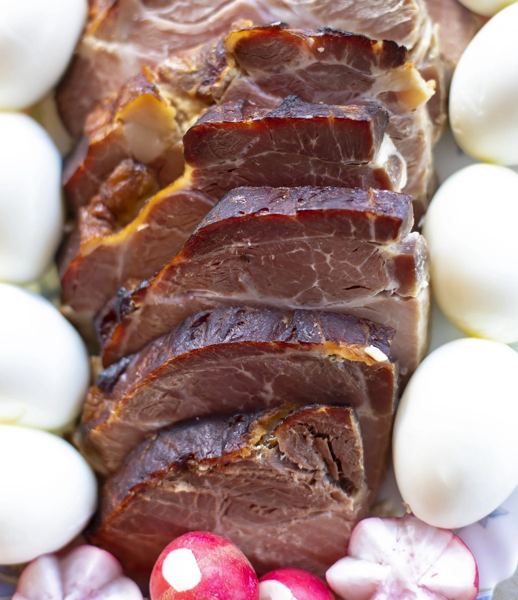
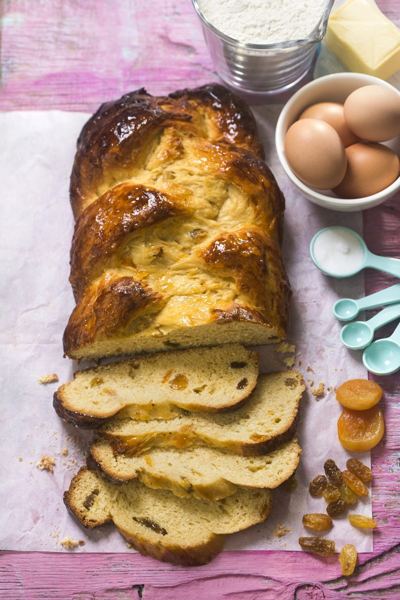
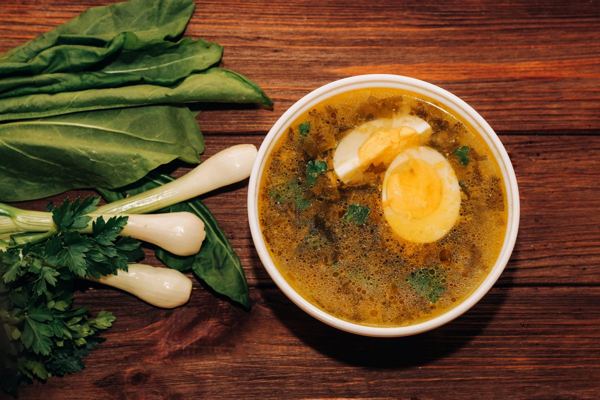
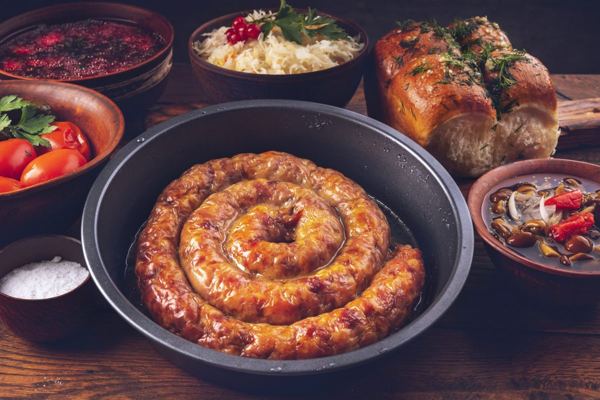
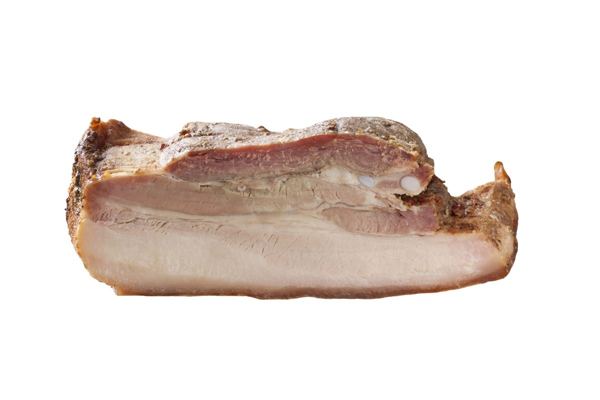
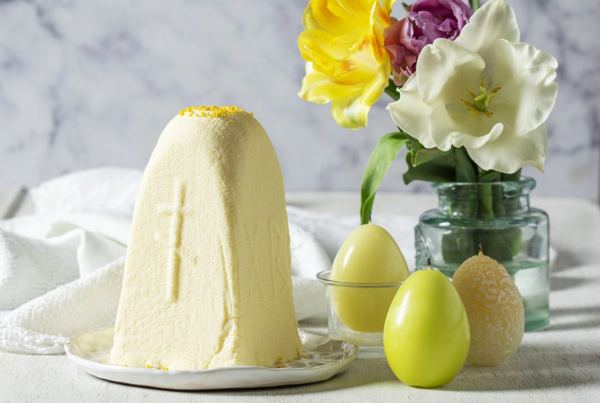
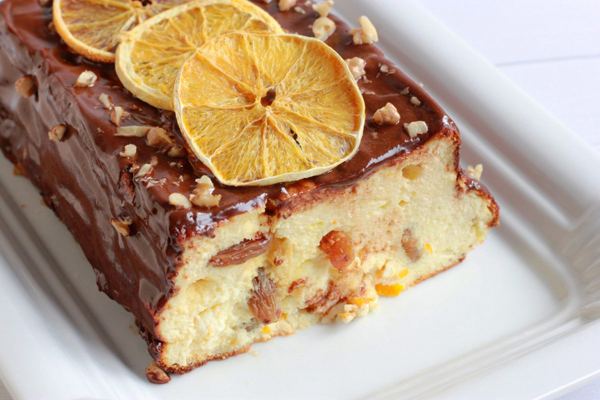
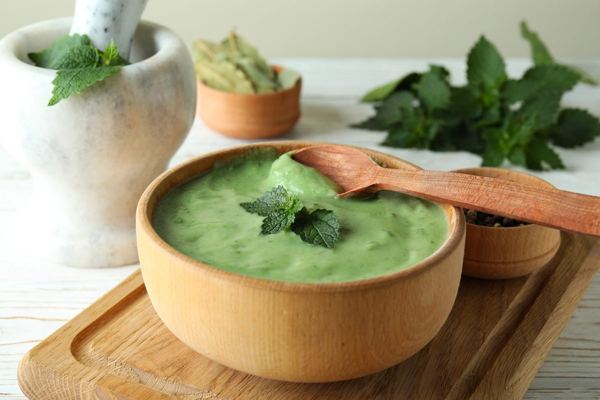
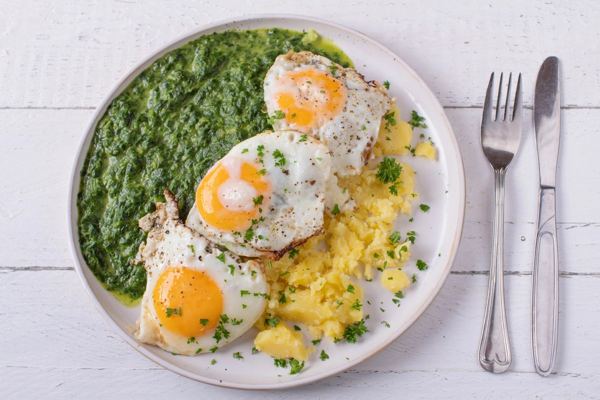
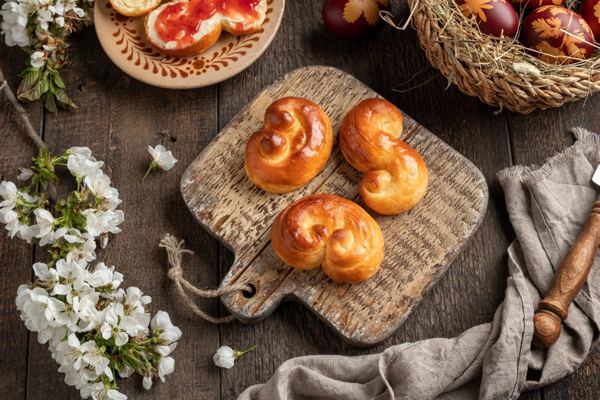
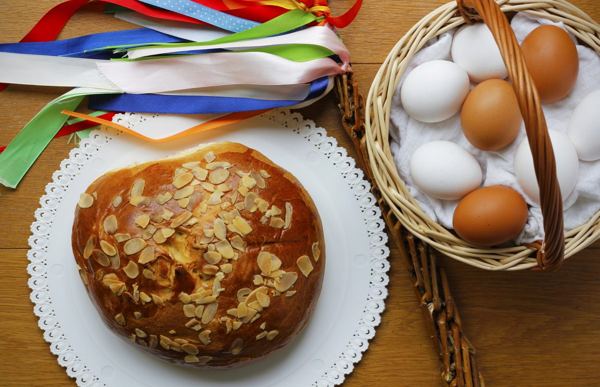
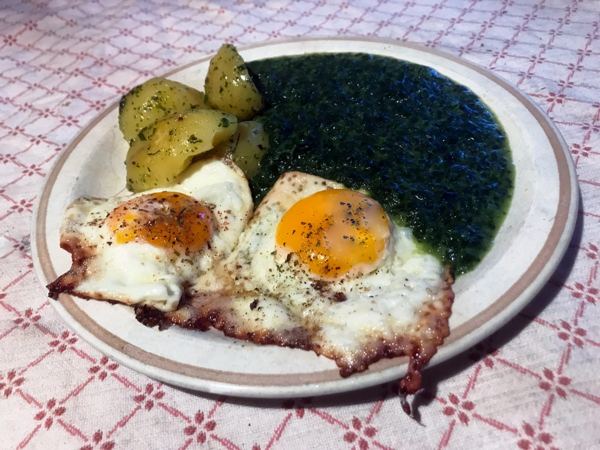
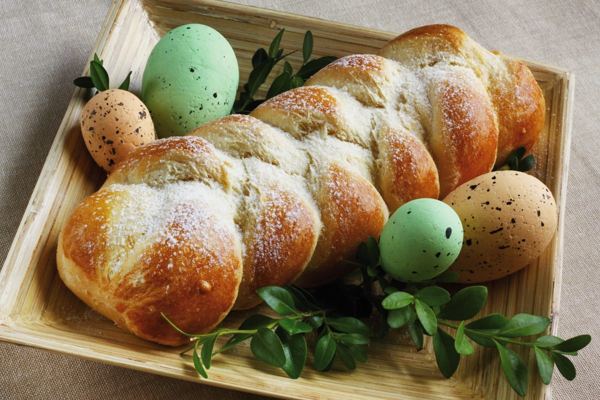
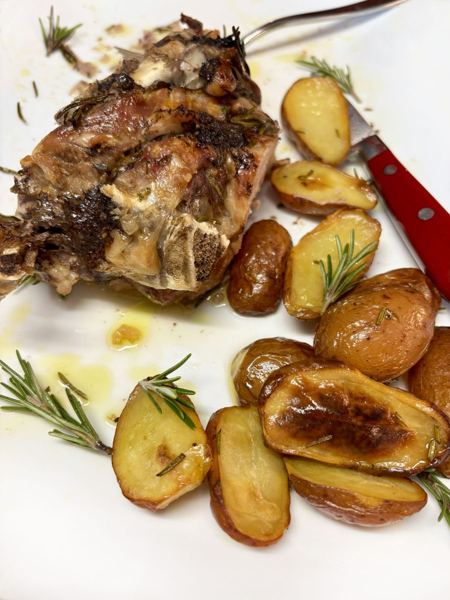
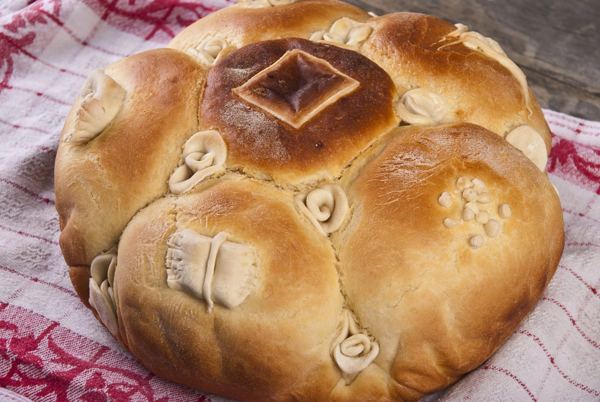
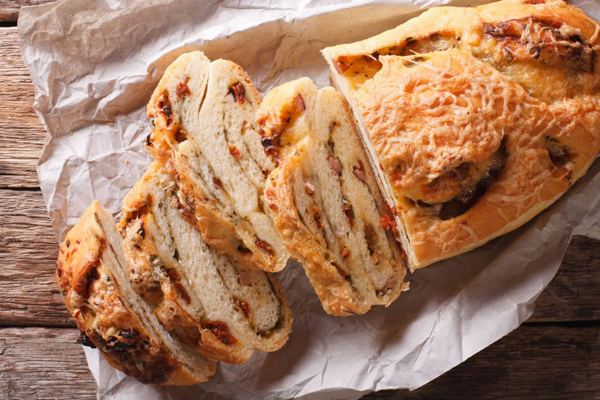
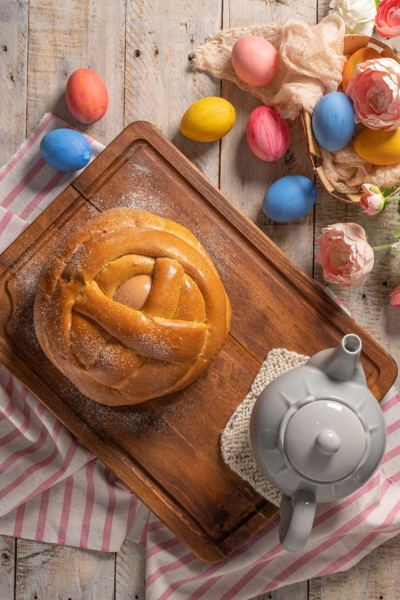
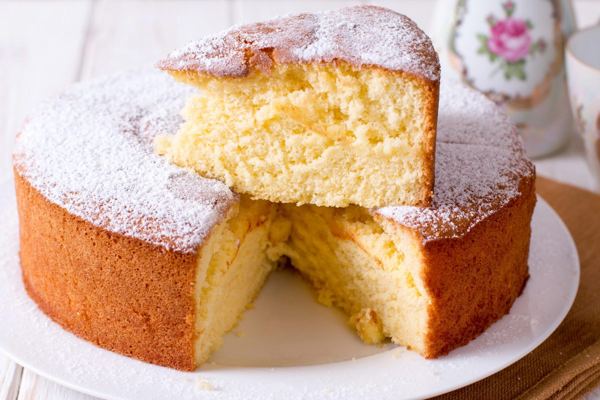
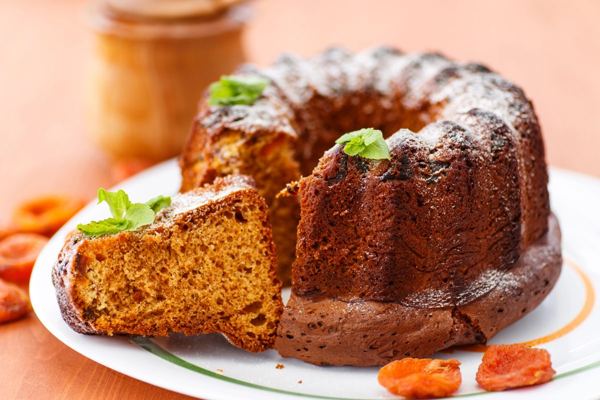
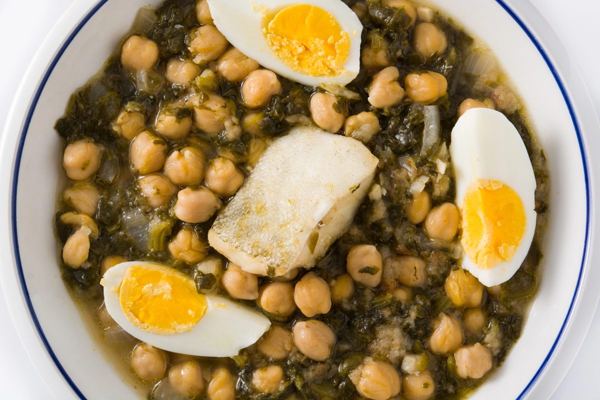
Easter, the fourth Heirloom Feast edition, collects 129 recipes from 16 European countries: eight from each country and nine from Croatia. It follows the food of the season from Lent through Holy Week to Easter Monday. There are Lenten and Holy Week dishes, such as the green meal of Maundy Thursday, which Czechs and Slovaks call Green Thursday; Good Friday fish, from Irish fish pie to Portuguese salt cod with chickpeas; and Easter breads and cakes, among them Polish babka, Greek tsoureki and Neapolitan pastiera. Eggs run through the whole book, dyed, brined, stuffed and baked into bread. Lamb and ham take the center of the Easter meal, spring greens such as nettles, wild garlic and sorrel go into soups and pies, and a group of recipes belongs to the blessed basket and the Easter breakfast that follows the blessing. In 2027 Western Easter falls on March 28, and Orthodox Easter, kept in Greece, Serbia and Ukraine, falls on May 2. A feature story follows the Easter egg across Europe, from onion-skin dyes to German eggs in brine. The recipes are written for US home cooks, with US and metric measures, and main courses serve 4 to 6. Every recipe has been checked against published recipes from its country.
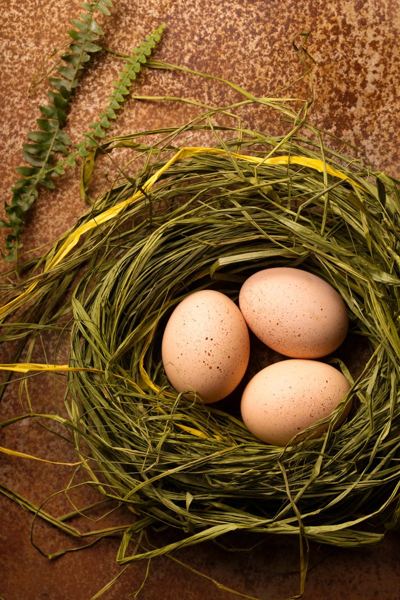
Across Europe, Easter is the season of eggs. Swedish church pages explain why: eating eggs was forbidden during the forty days of Lent, while hens began laying again in spring, so eggs piled up and Easter became an egg feast. In 2027 that feast falls on March 28 in the West and on May 2 in the Orthodox churches.
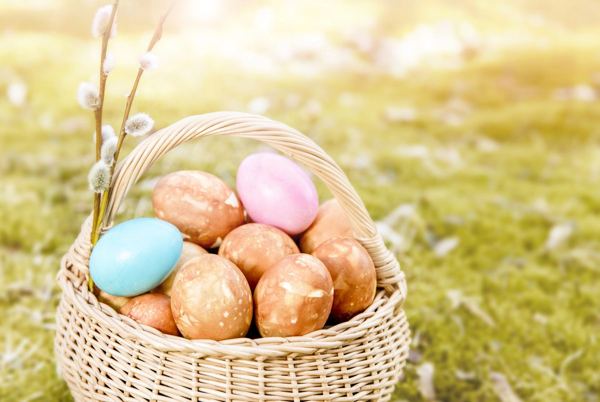
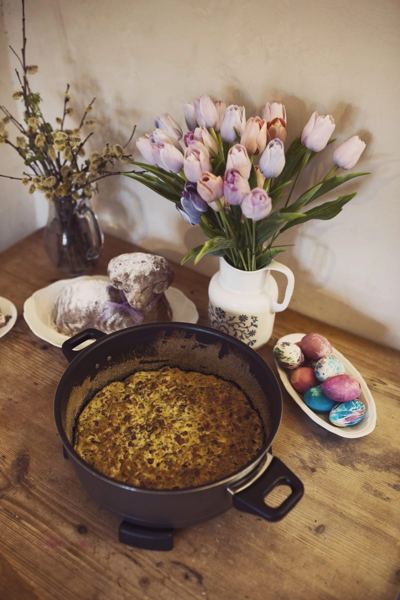
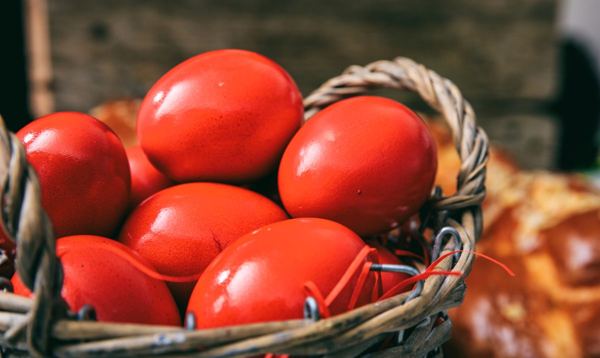
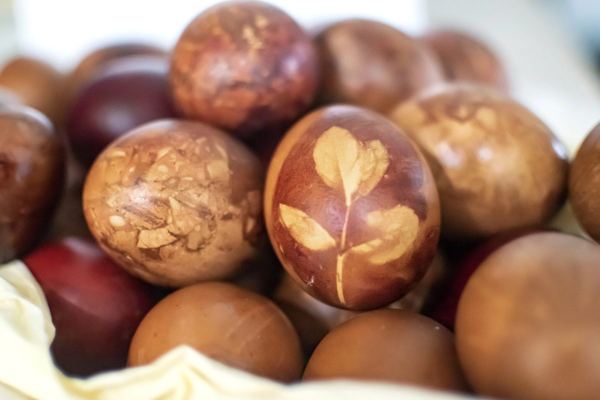
The oldest dye is the one every kitchen had. In Croatia, pisanice were boiled with onion skins for a brick-red shell, or with beets and nettles for other shades, and in northern Dalmatia also with madder root, broć. Ukrainians simmer onion skins for krashanky, one-color boiled eggs that are eaten and shared with good wishes, unlike pysanky, raw eggs decorated with wax. Serbian families dye their eggs during Holy Week, most often on Good Friday, April 30, in onion skins, with small leaves pressed under a stocking to leave pale prints; the first red egg, the čuvarkuća, is kept all year. In Greece eggs are dyed red on Holy Thursday, April 29, rubbed with olive oil to shine and cracked in the game of tsougrisma after the midnight Resurrection service.
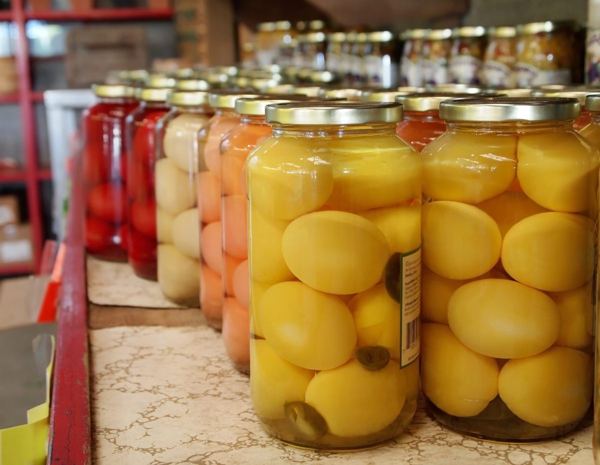
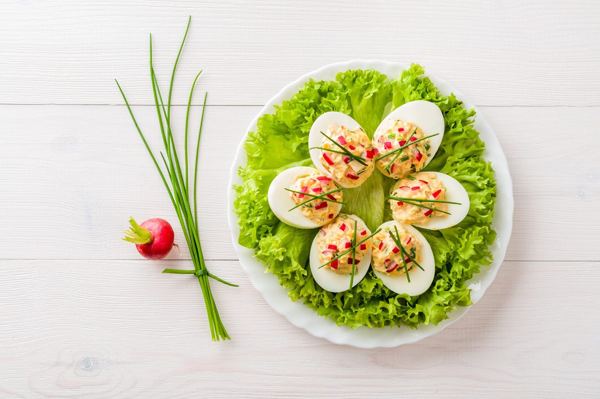
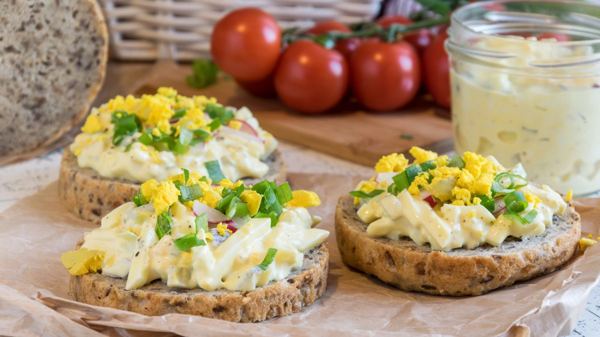
In Poland a blessed egg, usually a decorated pisanka, goes into the święconka basket on Holy Saturday, March 27, and Easter breakfast often begins by sharing one. Czech carolers come home on Easter Monday, March 29, with eggs dyed with store colors or with onion skins, red beet or spinach juice. Germany keeps a brined egg: for Soleier, hard-boiled eggs with cracked shells sit for a day or two in salted water with onion, caraway and bay leaves, and a handful of onion skins leaves a marbled pattern under the shell.
Knocking eggs together is common too. Croatian children tap them against each other, Serbian families crack them on Easter morning, and in the old Swedish farming society people held contests to see whose shell held. Start saving onion skins two or three weeks before Easter, and cook a few extra eggs, since any that crack in the pot can go straight to the breakfast table.










Sales open soon. Until then, the free recipes from this edition are open to everyone.