Eierlikörkuchen
German Egg Liqueur Bundt Cake- Yield
- One 10-inch Bundt cake (12 to 16 slices)
- Active
- 20 minutes
- Total
- 3 hours 15 minutes (including cooling)
- Difficulty
- Easy
The story
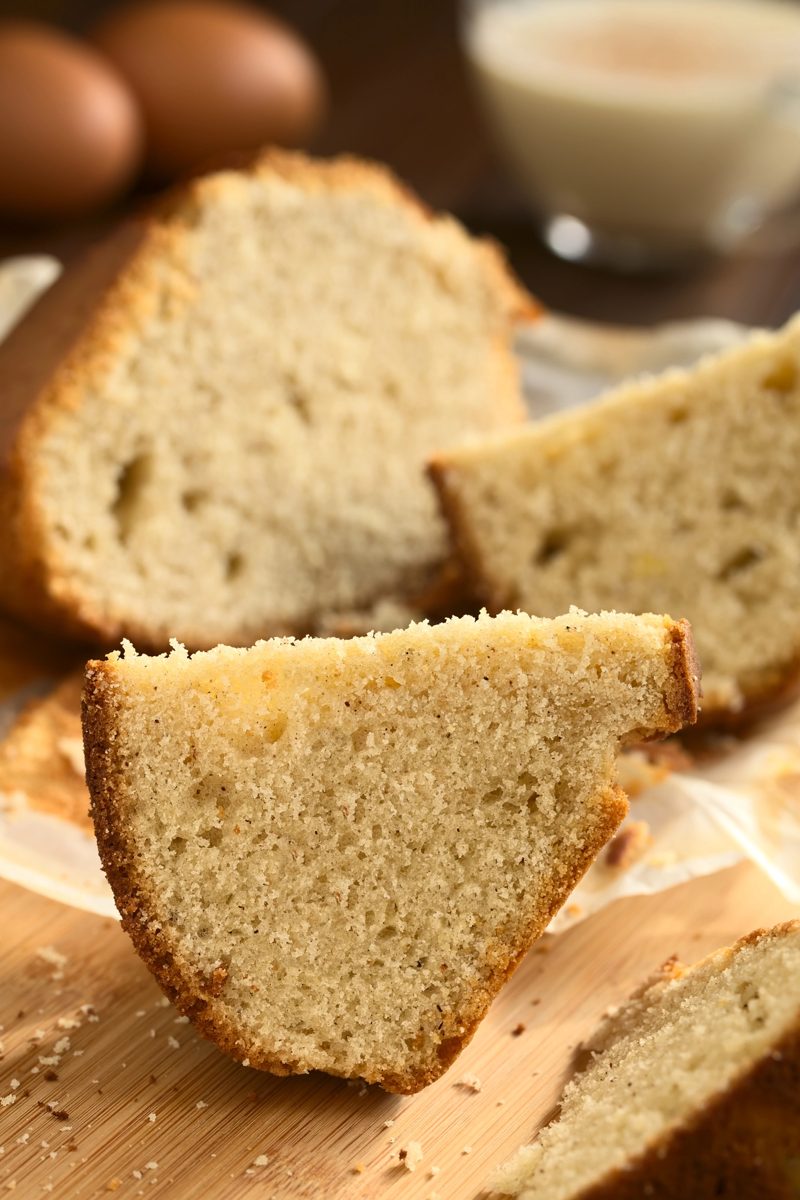
Eierlikörkuchen is a German Rührkuchen made with oil instead of butter and a full cup of Eierlikör, the thick yellow egg liqueur, stirred into the batter. It is baked all year, but German magazines put it on their lists of Easter bakes, and the liqueur itself is described as traditionally popular at Easter, though even more so at Christmas in hot punch. The drink has Dutch roots. The Dutch make advocaat, and a German version grew from the distillery that the Antwerp distiller Eugen Verpoorten founded in 1876 in Heinsberg, near Aachen. The company, now based in Bonn, holds 85 to 90 percent of the German market. In the EU, egg liqueur must have at least 14 percent alcohol, and a drink sold as advocaat must contain at least 140 grams of egg yolk per liter. Eierlikör became widely popular in Germany in the 1950s and 1960s, and recipe sites still label the cake grandma's classic. The method is quick: eggs and sugar are whipped until pale, oil and liqueur are stirred in, and the flour is folded through before the batter goes into a Gugelhupf pan. Bake it on Good Friday and it will still be moist on Easter Monday.
This recipe contains alcohol. It is meant for adults of legal drinking age.
Ingredients and method
The full recipe, with US and metric measures and stand-ins for hard-to-find ingredients, is part of the Easter edition. Buy it once and keep the PDF.
Want to try first? Frankfurter Grüne Soße is free to cook.