Rabanadas (Fatias Douradas)
Portuguese-style French toast- Yield
- Serves 8
- Active
- 20 minutes
- Total
- 40 minutes
- Difficulty
- Medium
The story
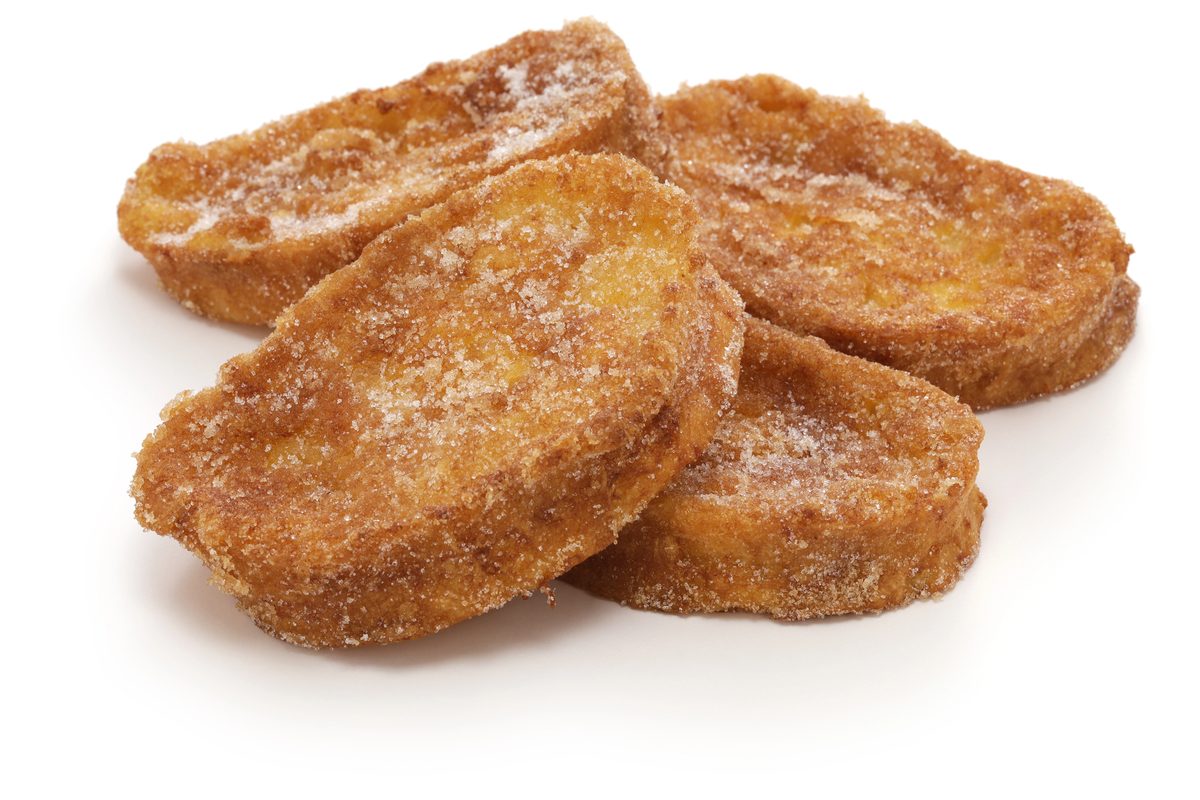
Rabanadas, slices of bread soaked in milk and eggs, fried, and dusted with cinnamon, are the Portuguese version of what an English speaker would recognize as French toast, but with deeper roots in the convent tradition of sweet-making. Many Portuguese holiday desserts, rabanadas among them, come from the kitchens of Catholic convents, where nuns spent centuries perfecting recipes that made use of cheap, readily available ingredients such as old bread, eggs, and sugar. The idea of “rescuing” yesterday's stale bread by soaking it in milk and eggs and then frying it reflects the same thrifty logic that recurs in many European holiday traditions. Some families soak the slices in wine or sugar syrup instead of milk, which gives them an added aromatic depth. Rabanadas are eaten throughout the Christmas season, not only on Christmas Eve. For Portuguese families in the diaspora, they are one of the easiest desserts to introduce to guests from outside the community, because the notion of “fried bread with cinnamon” is recognized almost everywhere.
Ingredients
- 1 loaf day-old bread (a firm white loaf or brioche), cut into 1-inch slices
- 2 cups whole milk
- 1/3 cup sugar
- 1 cinnamon stick
- Zest of 1 lemon
- 3 eggs, beaten
- Vegetable oil, for frying
- Ground cinnamon mixed with sugar, for coating
Method
- Warm the milk with the sugar, cinnamon stick, and lemon zest until just steaming; let cool slightly and remove the cinnamon stick and zest.
- Dip the bread slices in the warm milk briefly, just long enough to soften without falling apart, a few seconds per side.
- Dip each soaked slice in the beaten eggs, coating both sides.
- Heat about 1/2 inch of oil in a skillet over medium heat and fry the slices 2–3 minutes per side, until golden.
- Drain briefly on paper towels, then coat generously in cinnamon sugar while still warm. Serve warm or at room temperature.