Portokalopita
Greek Orange Phyllo Cake- Yield
- One 9 x 13-inch cake (16 pieces)
- Active
- 40 minutes
- Total
- 5 hours, including chilling
- Difficulty
- Medium
The story
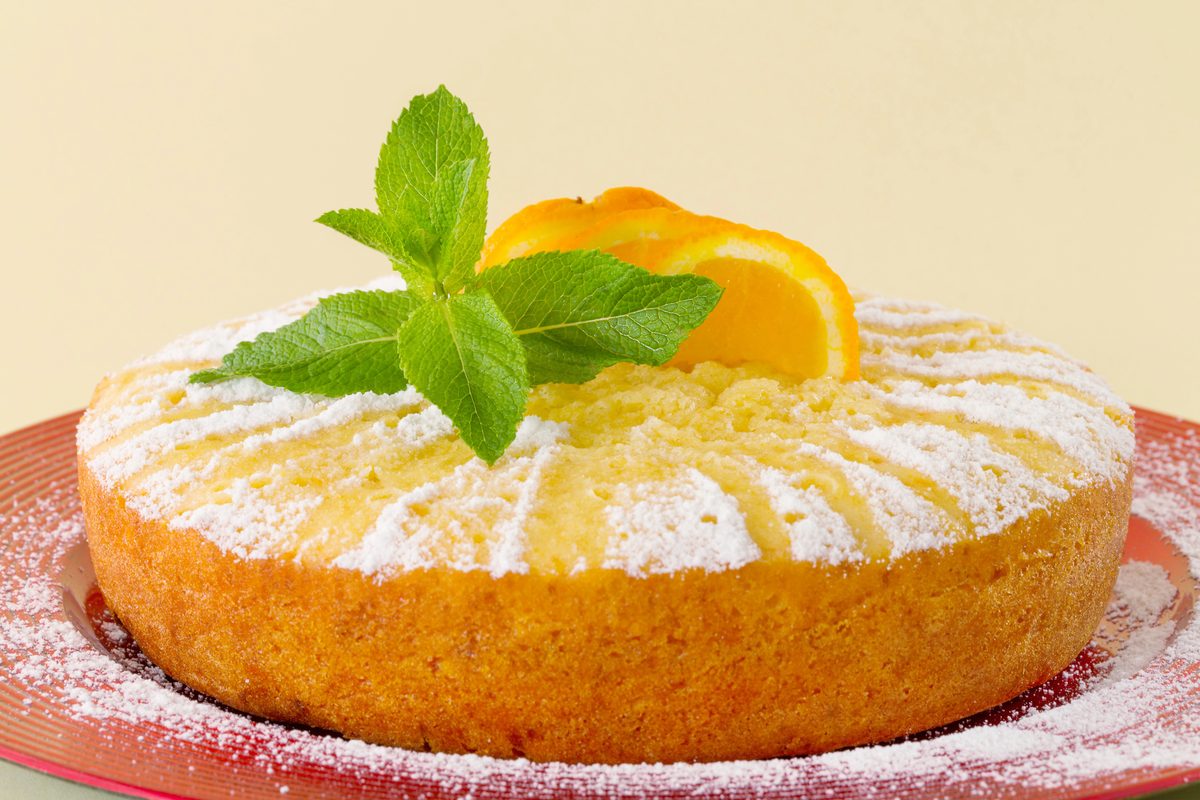
Portokalopita means orange pie, but it contains no flour. The cake gets its body from phyllo that is dried until brittle, crumbled and folded into a batter of eggs, sugar, Greek yogurt, oil and orange juice and zest; without the phyllo the texture would not hold. While the cake is still hot from the oven, cooled orange syrup is ladled over it, which places it in the large Greek family of syrup cakes beside giaourtopita, a yogurt cake, and sousamopita, a sesame cake. Some cooks add anthonero, orange blossom water made from bitter orange flowers, to the syrup. Greek families serve portokalopita at gatherings and on festive occasions, or as an afternoon treat with coffee or tea, and it is served chilled or at room temperature. Phyllo is what makes it practical in the United States. Greek immigrants popularized hand-made phyllo in parts of the country from the 1960s, and after a practical phyllo machine was invented in 1971, frozen phyllo reached American supermarkets. Bake the cake the day before you need it, since the syrup takes several hours in the refrigerator to soak through.
Ingredients and method
The full recipe, with US and metric measures and stand-ins for hard-to-find ingredients, is part of the Winter Folk Dishes edition. Buy it once and keep the PDF.
Want to try first? Fasolada is free to cook.